
The Art of Thoughtful Restoration in Antiques
Restoring antiques is not merely a task; it is an art form that requires a delicate balance of skill, knowledge, and respect for history. Each piece tells a story, and thoughtful restoration can breathe new life into these treasures while preserving their unique character. In this blog post, we will explore the principles of thoughtful restoration, the techniques involved, and the importance of maintaining the integrity of antique items.

Understanding the Value of Antiques
Antiques are more than just old objects; they are artifacts that connect us to our past. The value of an antique is determined by several factors, including:
Age: Generally, an item must be at least 100 years old to be considered an antique.
Rarity: Unique items or those produced in limited quantities often hold higher value.
Condition: The state of the item plays a crucial role in its worth. Well-preserved pieces are more desirable.
Provenance: The history of ownership can significantly impact an antique's value.
Understanding these factors is essential for anyone interested in the world of antiques, whether as a collector, dealer, or restorer.
The Principles of Thoughtful Restoration
Thoughtful restoration involves a careful approach that respects the original craftsmanship and materials of the piece. Here are some guiding principles:
1. Preserve Originality
The primary goal of restoration should be to preserve the original character of the item. This means avoiding drastic changes that could alter its historical significance. For example, if a piece has a patina developed over decades, it is often best to leave it intact rather than stripping it down to a shiny finish.
2. Use Appropriate Materials
When restoring antiques, it is crucial to use materials that are consistent with the original construction. This may include:
Wood: Use similar types of wood for repairs.
Paint and Stains: Match colors and finishes to the original.
Hardware: Replace missing or damaged hardware with period-appropriate pieces.
3. Document the Process
Keeping a detailed record of the restoration process is essential. This documentation can include photographs, notes on materials used, and any changes made. This not only helps maintain transparency but also adds to the provenance of the piece.
4. Seek Professional Help When Needed
Some restorations require specialized skills. If you are unsure about how to proceed, it is wise to consult with a professional restorer who has experience with the specific type of antique you are working on.
Techniques for Restoring Antiques
Restoration techniques can vary widely depending on the type of item and its condition. Here are some common methods:
1. Cleaning
Cleaning is often the first step in restoration. However, it is essential to use gentle methods to avoid damaging the surface. For example:
Dusting: Use a soft, dry cloth to remove dust.
Washing: For wooden items, a damp cloth with mild soap can be used, followed by thorough drying.
2. Repairing Structural Damage
Structural repairs may involve:
Re-gluing joints: Use appropriate wood glue to reattach loose joints.
Replacing missing parts: If a piece is missing, a skilled restorer can create a replica that matches the original.
3. Refinishing
Refinishing should be approached with caution. If the original finish is intact, it is often best to clean and polish rather than strip it away. If refinishing is necessary, consider:
Sanding: Lightly sand the surface to remove imperfections.
Staining: Apply a stain that matches the original color.
Sealing: Use a protective finish that is compatible with the original material.
4. Upholstery Restoration
For upholstered antiques, restoration may involve:
Reupholstering: Replace worn fabric while keeping the original style in mind.
Cushion Replacement: Use materials that mimic the original for comfort and authenticity.
The Importance of Ethical Restoration
Ethical restoration is about more than just aesthetics; it is about respecting the history and significance of the piece. Here are some key considerations:
1. Avoiding Over-Restoration
Over-restoration can strip an antique of its character and value. It is essential to strike a balance between restoring functionality and preserving historical integrity.
2. Transparency with Buyers
If you are selling restored antiques, be transparent about the work done. Provide potential buyers with information about the restoration process, including any materials used and the extent of the work.
3. Educating Others
Sharing knowledge about thoughtful restoration can help foster a greater appreciation for antiques. Consider hosting workshops or writing articles to educate others in your community.
Case Studies in Thoughtful Restoration
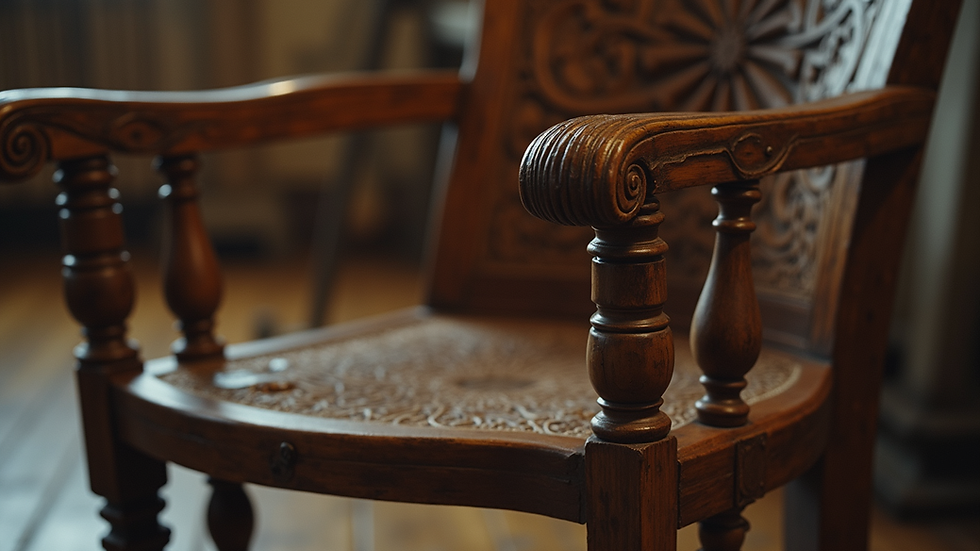
Example 1: Restoring a Victorian Chair
A Victorian chair was brought to a restorer with significant wear and a broken leg. The restorer carefully cleaned the chair, repaired the leg using matching wood, and reupholstered it with fabric that reflected the original design. The result was a chair that retained its historical charm while being functional and beautiful.
Example 2: Reviving a Vintage Clock
A vintage clock was found in a dilapidated state, with a broken mechanism and faded finish. The restorer focused on repairing the clock's inner workings while preserving the original face. The clock was cleaned and polished, and the mechanism was restored to working order, allowing it to tick once again without losing its antique appeal.
Conclusion
Thoughtful restoration is an art that requires a deep respect for history, craftsmanship, and the stories that antiques hold. By following the principles of preservation, using appropriate materials, and documenting the restoration process, we can ensure that these treasures continue to be appreciated for generations to come. Whether you are a collector, a dealer, or simply an enthusiast, embracing the art of thoughtful restoration can enhance your understanding and appreciation of antiques.
As you embark on your restoration journey, remember to approach each piece with care and consideration, allowing its unique story to shine through.

Comments